
Wealth advice
Investment diamonds
A diamond has no public price like gold, and it is harder to resell. Here is what to know before making any decision.
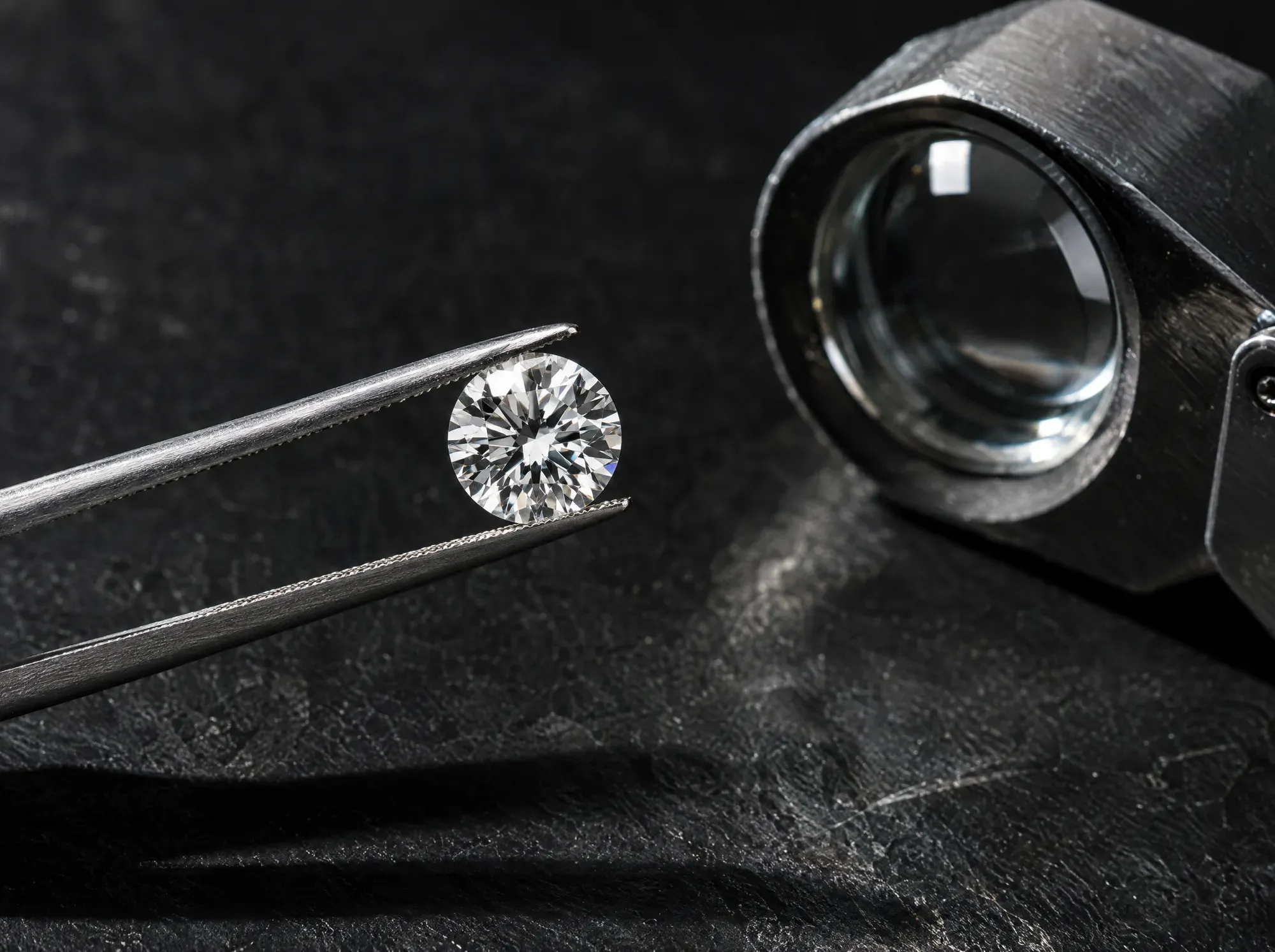
What gives a stone its value
People speak of the “4Cs”: weight (in carats), colour, clarity and cut. These criteria appear on the certificate issued by a recognised gemmological laboratory. Without a certificate, a stone is hard to value and to resell.
Natural or laboratory-grown
A laboratory-grown diamond has the same composition as a natural diamond, but their values are in no way comparable. The certificate must clearly state the origin of the stone.
The limits to know
- No public reference price: each stone is unique, and its price is negotiated.
- A gap between purchase and resale: the resale price can be well below the price paid.
- Resale takes time: you have to find a purchaser, which is never immediate.
Who it is for
At most, a small share of wealth that is already diversified, with a long time horizon. Not for money you might need quickly. A diamond is part of your taxable wealth and of your estate.
What the law does not cover
A diamond is not a financial instrument within the meaning of the Financial Services Act (FinSA, LSFin): the profile and suitability rules do not apply to it. Unlike investment gold, its purchase is subject to VAT at the standard rate.
What I do
I explain what you are acquiring, with the certificate in hand, and why the resale price can be well below the price paid. You receive a written recommendation.
In collaboration with Callenium GmbH, a non-tied insurance intermediary.
Framework: Diamonds: [TO BE COMPLETED — regulatory status to be provided]. Details: see Legal information.
A diamond in your wealth? Let’s talk about the advantages and the limits.
Book a meeting